
Is Your Vitamin E Oil Actually Benefiting Your Skin?
Understanding DL-α-tocopherol acetate: What It Is and How It Works
| First, it' s essential to distinguish DL-α-tocopherol acetate from other Vitamin E forms to grasp its skincare potential. DL-α-tocopherol acetate is a synthetic, racemic mixture of D-type and L-type α-tocopherol acetate, a lipid-soluble phenolic ester compound with no optical activity. Unlike natural vitamin E, which consists of a single active isomer, syntheticDL-α-tocopherol acetate comprises eight optical isomers, each accounting for 12.5% of the mixture. This structural difference impacts bioactivity and skin absorption—but not in the way many assume. As an antioxidant, DL-α-tocopherol acetate works by neutralizing free radicals, reducing lipid peroxidation in skin cell membranes, and protecting against UV-induced damage. It also supports skin hydration by reinforcing the skin' s lipid barrier, preventing moisture loss, and improving elasticity. A 2024 study published in a leading food Science journal found thatDL-α-tocopherol acetate exhibits strong in vitro antioxidant capacity—outperforming vitamin C in hydroxyl radical scavenging, Fe²⁺ chelation, and total reducing power at concentrations of 0.1–0.3 mg/mL. In vivo, it significantly lowers malondialdehyde and boosts glutathione peroxidase levels in aging animal models, confirming its anti-aging potential. | 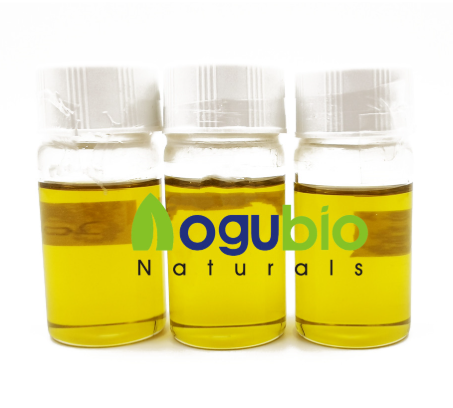 |
The Hidden Pain Points of DL-α-tocopherol acetate Products
Despite its proven efficacy in controlled studies, most over-the-counter DL-α-tocopherol acetate products fail to deliver results due to three critical flaws:
- Suboptimal Concentration and Formulation
Many brands dilute DL-α-tocopherol acetate to cut costs, using concentrations below 1%—too low to trigger meaningful skin benefits. Unlike other skincare actives, vitamin E requires a minimum concentration of 0.5–2% to penetrate the stratum corneum and convert to its active free tocopherol form. Worse, improper formulation with incompatible ingredients accelerates oxidation of DL-α-tocopherol acetate, rendering it inactive before it reaches the skin. A 1993 study in Biochemistry and Molecular Biology International found that topical DL-α-tocopherol acetate must be formulated in a lipid-rich base to ensure absorption and conversion to active vitamin E.
- Confusion Between Synthetic and Natural Vitamin E
Consumers often equate "vitamin E" with natural, high-potency benefits, but DL-α-tocopherol acetate' s synthetic nature leads to lower bioavailability compared to natural D-α-tocopherol acetate. The liver' s α-tocopherol transfer protein prioritizes RRR-α-tocopherol, meaning synthetic DL-α-tocopherol acetate is retained in skin cells for shorter periods—154 days after application, natural vitamin E levels in mouse brain tissue were 5.3 times higher than synthetic levels. This doesn' t make DL-α-tocopherol acetate ineffective, but it requires smarter formulation to overcome bioavailability gaps.
- Ignorance of Stability Requirements
DL-α-tocopherol acetate is more stable than free vitamin E, but it still degrades when exposed to light, heat, and oxygen. Products packaged in clear bottles or non-airtight containers lose potency rapidly—within 3–6 months of opening. A 2020 study in Materials Science & Engineering C noted that unprotected DL-α-tocopherol acetate oxidizes by 40% within 4 weeks of exposure to ambient light, losing its antioxidant capacity.
DL-α-tocopherol acetate: Key Advantages for Cosmetics
Despite these pain points, DL-α-tocopherol acetate remains a valuable skincare ingredient due to unique advantages that make it ideal for cosmetic formulations:
- Exceptional Stability: Its esterified structure resists oxidation better than free vitamin E, making it suitable for long-shelf-life products like sunscreens, moisturizers, and hair care items. It maintains efficacy at temperatures up to 130℃, enabling integration into high-heat formulation processes.
- Cost-Effectiveness: As a synthetic derivative, DL-α-tocopherol acetate is more affordable than natural vitamin E, allowing brands to create high-concentration products at accessible price points.
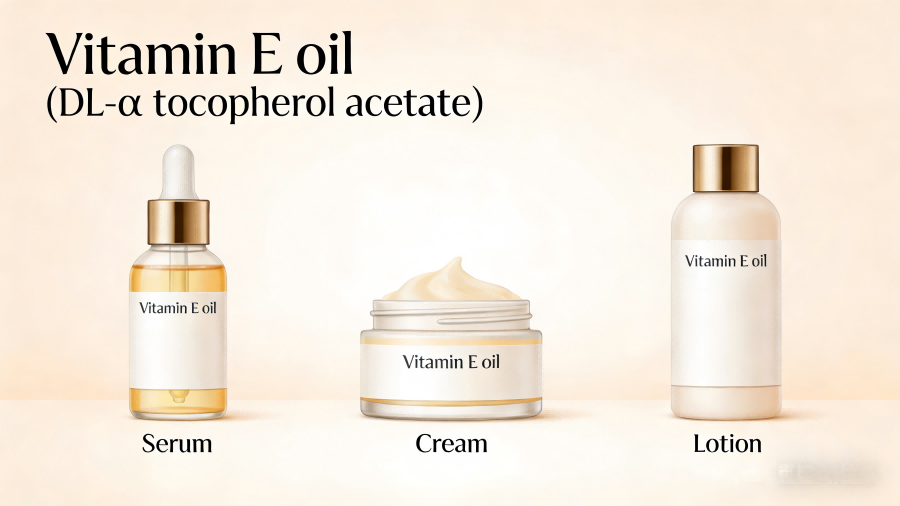
- Versatile Compatibility: It mixes seamlessly with oils, waxes, and organic solvents, making it adaptable to various cosmetic formats—from serums and creams to shampoos and body lotions.
- Proven Skin Benefits: Beyond antioxidant protection, DL-α-tocopherol acetate reduces inflammation, improves skin barrier function, and aids in the repair of UV-damaged skin.
Cosmetic Applications of DL-α-tocopherol acetate
- Sunscreens
When added to sunscreen formulations (0.5–2% concentration), it enhances UV protection by neutralizing free radicals generated by UV exposure. It also prevents sunscreen degradation, extending product shelf life.
- Moisturizers and Anti-Aging Serums
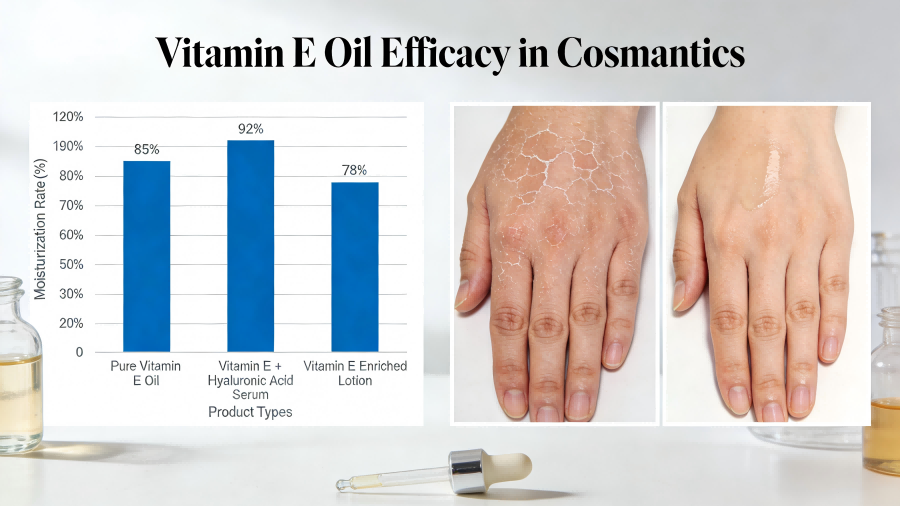
In lipid-rich moisturizers, it penetrates the skin barrier to boost hydration and reduce fine lines. A 2005 study in Minerva Pediatrica showed it effectively prevents and treats dry skin lesions by reinforcing the lipid barrier. For anti-aging, its ability to activate the Nrf2 signaling pathway makes it a powerful tool against premature aging.
- Hair Care Products
In shampoos and conditioners, DL-α-tocopherol acetate protects hair from environmental damage and prevents color fading. It also nourishes the scalp, reducing dryness and flakiness.
How to Choose and Use DL-α-tocopherol acetate Products for Maximum Results
- Prioritize Concentration and Formulation
Choose products with a DL-α-tocopherol acetate concentration of 0.5–2% and a lipid-rich base (e.g., jojoba oil, squalane, shea butter). Avoid water-based formulations, as they limit absorption. Look for products that use microencapsulation or lipid nanoparticles—these technologies enhance bioavailability by protecting the ingredient from oxidation and improving skin penetration.
- Check Packaging
Opt for products in opaque, airtight containers (dark glass or aluminum) to protect DL-α-tocopherol acetate from light and oxygen. Avoid clear bottles or jars, which accelerate degradation.
- Layer Strategically
Apply DL-α-tocopherol acetate products after cleansing but before heavier creams. For enhanced efficacy, layer with vitamin C (ascorbic acid)—the two act synergistically to boost antioxidant activity. Avoid mixing with high-concentration retinol, as this may increase skin irritation.
- Store Properly
Keep products in a cool, dark place to maintain stability. Discard opened products after 6 months, as oxidation reduces potency.
The Bottom Line
DL-α-tocopherol acetate is a powerful, cost-effective skincare ingredient—when used correctly. Its failure to deliver results often stems from poor formulation, inadequate concentration, or improper storage, not inherent ineffectiveness. By choosing lipid-rich, appropriately concentrated products in protective packaging, you can leverage its antioxidant and barrier-repairing benefits to achieve healthier, more resilient skin.
As research continues to validate its efficacy—from Nrf2 pathway activation to UV protection—DL-α-tocopherol acetate remains a reliable choice for consumers seeking accessible, science-backed skincare. The key is to look beyond marketing claims and prioritize formulations rooted in cosmetic science.
- Name: Yuki
- E-mail: sales02@nahanutri.com
- WhatsApp:+8618066950297